1.0 Executive Snapshot
Artificial Intelligence has industrialized cybercrime. Accordingly, phishing campaigns are now automated, additionally, hyper-personalized and nearly indistinguishable from legitimate communication. Moreover, attackers exploit human trust at scale, resulting in accelerated breach timelines and thereby amplified financial impact
Thus, the threat is no longer emerging – it is operational.
2.0 How the Threat Has Evolved
2.1 AI-Enhanced Phishing
- Context-aware emails replicate both corporate tone and branding
- Real-time chatbot-driven social engineering
- Multi-language, globally scalable campaigns
2.2 Next-Gen Social Engineering
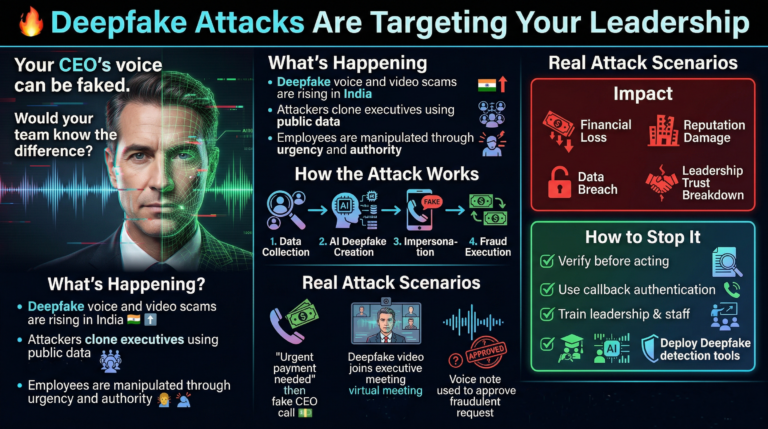
- Deepfake video and voice cloning impersonations
- Social media intelligence harvesting for targeted fraud
2.3 Automated Credential Theft
- AI-powered dynamic website cloning
- Mass scraping of exposed credentials
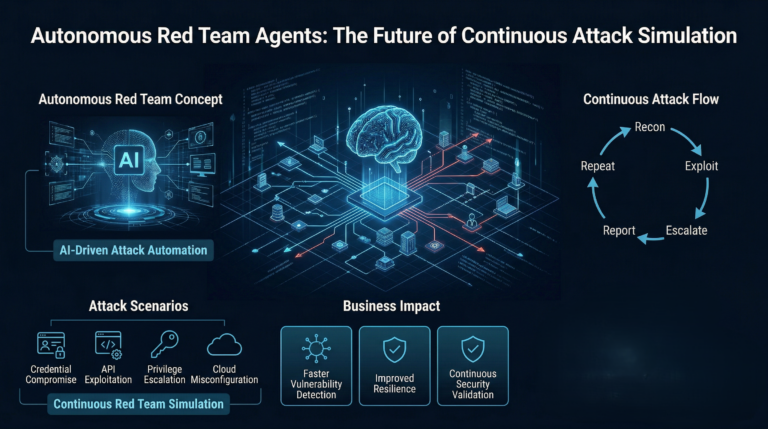
- Faster lateral movement post-compromise
3.0 Business Impact
- Accelerating financial losses across banking and digital payments
- Elevated risks for enterprises, SMEs, and individuals alike
- Growing reliance on phishing-resistant authentication and domain takedowns
Thus, cyber risk is now systemic, not isolated.
4.0 Immediate Strategic Priorities
- Enforce phishing-resistant MFA
- Conduct AI-driven phishing simulations
- Monitor brand impersonation and automate domain takedowns
- Integrate real-time threat intelligence
- Strengthen incident response readiness
5.0 Closing Perspective
AI-powered phishing and credential harvesting are redefining the global threat landscape. Thus, organizations that adopt predictive, intelligence-led security models will reduce exposure and recover faster.
Delay increases risk. But proactive defense creates resilience.
Schedule a Cybersecurity Risk Assessment today and strengthen your defense against AI-powered cyber threats.