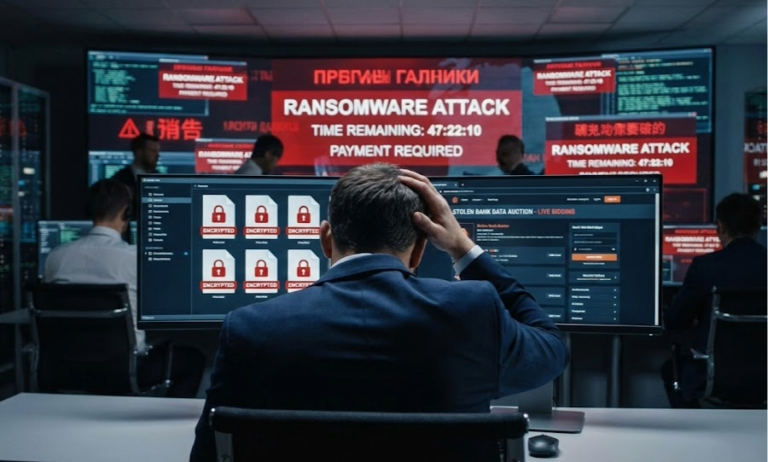
“Cyber Defense with Public-Private Power”
Introduction
Cyber Defense encompass the strategic, technological, and operational measures especially needed to safeguard digital assets against unauthorized access, disruption, or attack. In an era where digital threats are escalating in both scale and sophistication, cybersecurity has become a national imperative. From individual users to critical infrastructure, every facet of society is at risk.
Urgency of Cyber Defense
Ensuring the Confidentiality, Integrity, and Availability (CIA) of information systems is no longer optional, indeed it’s foundational for ensuring cyber defense. As threats like ransomware, phishing, and Advanced Persistent Threats (APTs) evolve, defense strategies must mature. A truly resilient cyber posture includes secure system architecture, continuous monitoring, rapid incident response, and widespread user awareness.
Why Public-Private Partnerships Matter for Cyber Defense
Public-Private Partnerships (PPPs) are indispensable in the modern cyber landscape. While the private sector owns and operates most critical infrastructure, governments bring regulatory frameworks, intelligence capabilities, and national security coordination. Together, they forge a comprehensive defense ecosystem that no single entity could achieve alone.
Key Advantages of Public-Private Collaboration
- Real-Time Threat Intelligence Sharing: Enables swift detection and mitigation of emerging threats thereupon to ensure cyber defense.
- Policy Shaping with Industry Insight: Encourages the creation of practical, effective, and enforceable security standards.
- Joint Readiness Drills: Elevates national preparedness through collaborative simulations and coordinated response strategies.
- Accelerated Innovation: Co-investment in technologies like AI-based threat detection and post-quantum cryptography drives future-ready security as a requirement of cyber defense.
Strategic Pillars for a Stronger Cyber Future
- Threat Intelligence Exchange: Leveraging ISACs, CERTs, and trusted platforms to share timely indicators of compromise (IOCs) and vulnerabilities as an effective Cyber Defense.
- Adoption of Unified Frameworks: Frameworks such as NIST and ISO/IEC standardize risk management, enabling cross-sector compliance and interoperability.
- Integrated Incident Response: Pre-established protocols and joint drills prepare all stakeholders for rapid, cohesive action during cyber crises.
- Cyber Talent Development: Scholarships and professional certifications besides targeted training address the growing skills shortage in cybersecurity.
- R&D and Innovation Incentives: Tax breaks and public funding encourage advancements in fields like secure IoT, behavioral analytics, and zero-trust architectures.
- Regulatory Co-Design: Multi-stakeholder advisory groups ensure cyber laws are both enforceable and innovation-friendly.
Conclusion
Cybersecurity is a shared responsibility. The fusion of public oversight with private innovation forms the backbone of a resilient digital ecosystem. As the lines between physical and digital worlds blur, partnership is no longer optional—it is the cornerstone of national cyber defense. Only by working together can we meet the challenges of today and the uncertainties of tomorrow.